May 18, 2026
Phoenix, Ariz.
Today, we have everything we need to power our homes, schools, and businesses with clean energy that is cheaper and more reliable than oil and gas. Across the country, communities are already making the switch -- saving money, improving health, and protecting our climate in the process.
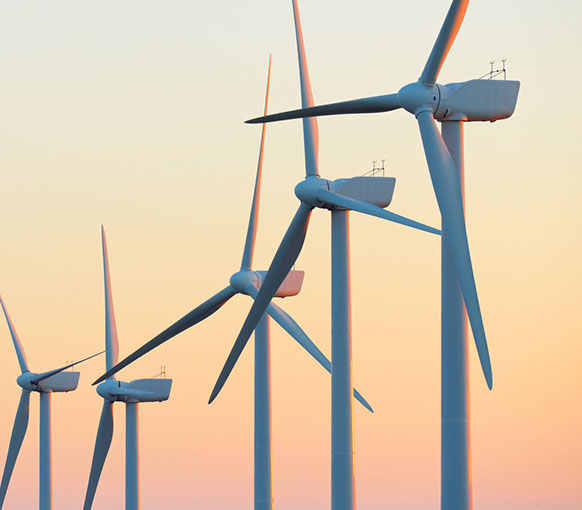
Clean energy is already the main source of new electricity in the United States. In 2025, solar, wind, and battery energy storage made up more than 90% of new power added to the grid. Recent investments helped speed up this progress, creating hundreds of thousands of jobs and bringing new economic opportunities to communities across the country.
Even as the Trump administration tries to slow down progress and cancel clean energy projects, the shift to clean energy continues because it is cheaper, faster to build, cleaner, and widely supported by the public.
$700
250,000
jobs in the solar industry
Clean energy is cheap: Clean, renewable energy lowers monthly bills and protects families from rising fuel costs. Over time, families and individuals could save thousands each year on re487uyenergy and healthcare costs thanks to clean energy and healthier communities.
Clean energy creates jobs: Renewable energy is one of the fastest-growing sectors in the country. The clean energy industry already has a workforce of nearly 1.5 million people, that’s about the same number of people who work in agriculture, forestry, fishing, and hunting. Clean energy jobs are diverse - they include electricians, construction workers, engineers, and many others in communities all across the country.

In New England, adding offshore wind could cut spending on natural gas in half and save households money on energy costs. Similar opportunities exist across the Atlantic Coast and in California, showing that clean energy is a smart financial choice.

Court overturns Trump administration’s unprecedented attacks on renewable energy
A federal judge in Massachusetts blocked a number of the Trump administration’s relentless and aggressive attacks on the wind and solar industry. Since taking office, Donald Trump and his administration have thrown up numerous roadblocks to clean energy development, including six separate agency actions challenged in this case.
Courts Clear the Way for Offshore Wind
Even when progress is challenged, people are fighting back and winning. In late 2025, five major offshore wind projects were paused, even though some were nearly finished and already producing power. These projects supported thousands of jobs and would power millions of homes. But after legal challenges, courts ruled in favor of the projects. Work has resumed, jobs are back, and offshore wind is moving forward again. This is proof that when people speak out and take action, change is possible.
Energy bills are rising, straining household budgets. Energy Burden is a measure of this strain and can point to communities and areas that are struggling the most. Use the Sierra Club Energy Burden Dashboard to explore energy burden in your community; learn more about the outsized impact on low-income, Black, and Native American households; and join us in advocating for more affordable solutions like renewable energy to reduce this strain.
Energy Burden Dashboard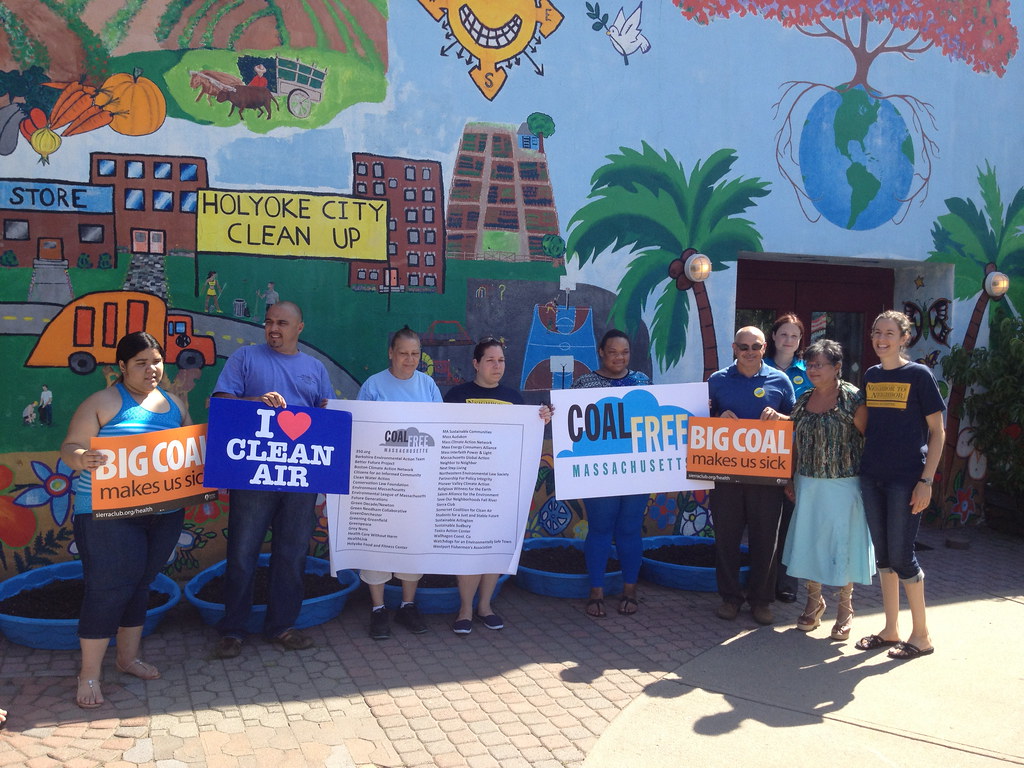
The goal of the Beyond Coal Campaign is to replace most polluting energy sources -- such as coal, oil, and gas -- with clean energy sources that don’t pollute our air, don’t have volatile price spikes, and don’t contribute to climate change.
In 2025, our chapters and organizers helped engage the public to show that we want clean energy in our communities. In 2026, our goal is to build public support for 20 gigawatts of locally-sited utility-scale wind, solar, and battery energy storage projects across 25 states, and to support enabling conditions and policies for a resilient clean energy economy.
Solar Power: Energy from the sun is now one of the cheapest ways to produce electricity. Solar panels can be installed on rooftops, balconies, and built at larger scale to power entire communities. Both approaches help lower energy costs and give people more control over their electricity bills. Programs like community solar are also making it easier for renters and families to benefit from solar without installing panels at home.
Wind Power: Wind energy uses turbines to turn moving air into electricity. It is the largest clean energy source in the United States -- and one of the most affordable. Wind farms can be built on land or offshore and are already providing low-cost power to millions of homes. Wind turbines provide reliable and consistent power, often at times that complement solar power - such as at night and during winter months. Unlike conventional power plants, which, if they fail, tend to take their entire capacity offline, when wind power goes down, maintenance can be performed on a few turbines without impacting the others.
Offshore Wind: Massive wind turbines allow us to capture the strong and consistent winds over the ocean and deliver power to dense populations on the coast. We made big strides under the previous administration to catch up with other countries like the UK,Norway and China that have already developed significant offshore wind projects; that progress is being rolled back under the current administration.
Battery Energy Storage: Batteries help solve one of the biggest challenges with renewable energy: making sure power is available whenever people need it. Batteries store extra energy produced during the day and release it at night or during times of high demand. This helps keep the grid stable and lowers costs by reducing the need for expensive, polluting backup power - like gas peaker plants. It can also help reduce the need for expensive transmission by allowing us to move energy closer to the people who need it and storing it until it can be used.
Transmission: Transmission lines are the wires that carry electricity across long distances. To make clean energy work for everyone, we need more of them. Building more transmission allows us to move low-cost clean energy from where it’s produced to where it’s needed, helping lower bills and improve reliability across entire regions.

We are helping people fight and win to bring renewable energy projects in their communities.
Pennsylvania: The Board of Supervisors for Rush Township approved the 252 MW Black Moshannon solar project, which will power 200,000 homes. This project will be built on the site of an abandoned mine and will incorporate pollinator-friendly re-vegetation to help clean up 2,000 acres of toxic land. Showing up and educating community members made a big difference in this sparsely populated, rural county, and our engagement here has set us up for success elsewhere in the state.
Arizona: The Cactus Flower Solar + Storage Project, a proposed 270-megawatt solar facility paired with a 270-megawatt battery energy storage system, was approved in unincorporated Pinal County, Arizona. The project will bring hundreds of construction jobs, reliable power, and development that protects land and water. In partnership with Arizona Alliance for Retired Americans, we delivered a message of affordability and water conservation.
New Mexico: The Santa Fe County Commission approved the Rancho Viejo Solar and battery project located south of Santa Fe, replacing gas and coal power for 34,000 homes. The debate over the project played out in the local paper, The New Mexican – in articles, op-eds, LTEs, comments, and advertisements directing residents to submit comments and testimony.
Now Let’s Keep It Going
Families across the country are facing rising energy costs and an unreliable fossil fuel system. Clean energy solutions like offshore wind are ready right now -- they’re already lowering costs, creating jobs, and delivering reliable power.
These recent wins show that progress is possible, but we need continued public support to keep it moving. Send a letter to the editor of your local paper to share why clean energy matters to you and your community. You don’t need to be an expert; your voice can help shape the future and bring affordable, clean energy to more communities.
We don’t need to wait for new technology.
The tools to lower energy costs, create jobs, and protect our future are already here. Now is the time to use them -- so every community can benefit from clean, affordable, and reliable energy.
Phoenix, Ariz.
Sacramento, CA — Today, Sierra Club announced its endorsement of Tom Steyer for Governor of California, backing a candidate with a long record of investing in climate solutions, taking on Big Oil, and helping build the coalitions needed to win…
LAS VEGAS – Today, a group of environmental, health, and environmental justice advocates hosted a press conference outside of the Las Vegas Convention Center during the Advanced Clean Transportation (ACT) Expo to highlight the benefits of…
WASHINGTON, D.C.
Phoenix, Ariz. - Last night, clean energy candidates secured a major victory in the Salt River Project (SRP) board election, despite heavy involvement from extremist, anti-clean energy organizations and restrictive, archaic voting rules. …